
Graphic Design: Importance, Benefits, Types, and Tips for Businesses
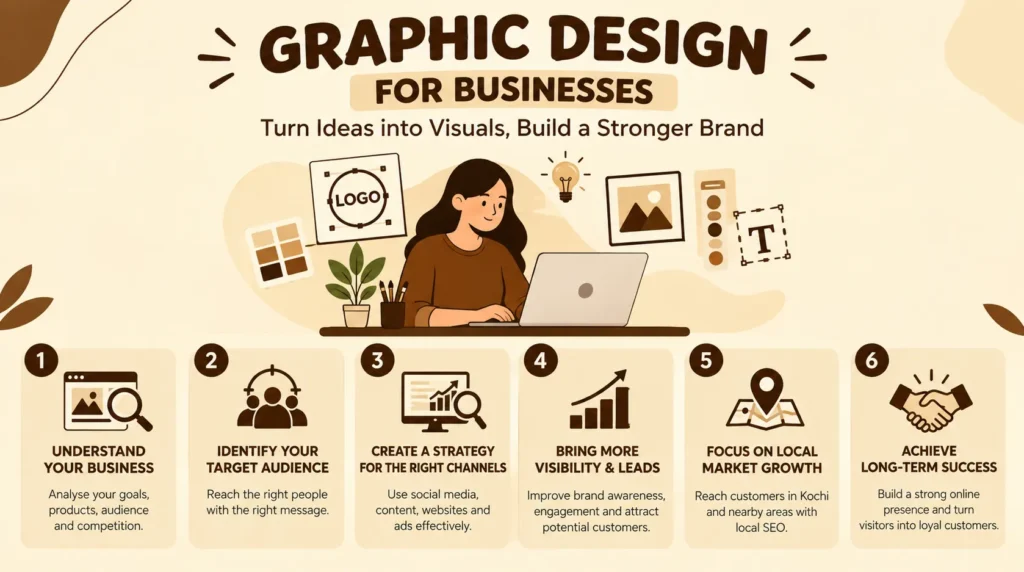
Graphic Design: Importance, Benefits, Types, and Tips for Businesses Graphic design has become an important part of modern business and digital communication. From logos and websites to social media posts and advertisements, businesses use graphic design to communicate their ideas and connect with their audience. In a competitive digital environment, visual presentation can help a business attract attention and communicate information more effectively. But graphic design is not simply about making something look attractive. Good design combines creativity, communication, layout, typography, colors, and images to deliver a clear message. Graphic design plays an important role in modern business and digital marketing. A strong visual design can help a brand communicate its message clearly and attract the attention of potential customers. Businesses use graphic design for logos, social media posts, websites, advertisements, brochures, banners, presentations, and product packaging. Consistent use of colors, fonts, images, and layouts can create a recognizable brand identity. Good graphic design is not only about making something attractive; it is also about making information easy to understand. A well-designed visual can guide the audience toward important information and create a professional impression. Graphic design is also useful for improving online marketing and customer engagement. Businesses can create attractive social media graphics, promotional banners, infographics, and advertisements to connect with their target audience. Simple layouts, readable typography, suitable colors, and high-quality images can make content more effective. Tools such as Canva, Adobe Photoshop, Adobe Illustrator, and Figma help designers create different types of visual content. For beginners, learning basic design principles such as balance, contrast, alignment, hierarchy, and white space is a good starting point. By combining creativity with clear communication, businesses can use graphic design to strengthen their brand, improve their online presence, and present their products or services in a more professional and engaging way. What Is Graphic Design? It is the process of creating visual content to communicate information, ideas, or messages to a specific audience. Graphic designers combine different elements such as colors, typography, images, illustrations, shapes, and layouts to create designs for different purposes. Common examples include: Logos Posters Social media graphics Website designs Business cards Brochures Advertisements Packaging Infographics Presentations The goal is to make information visually appealing while keeping the message clear and easy to understand. Why Graphic Design Is Important for Businesses A strong visual identity can help a business create a professional image and become more recognizable. 1. Creates a Strong First Impression When people discover a business for the first time, they often notice its visual presentation. A professional logo, website, advertisement, or social media page can create a positive first impression. Consistent and well-planned designs can help a brand communicate professionalism. 2. Builds Brand Identity Graphic design plays an important role in branding. A business can use a consistent logo, color palette, typography, and visual style across its marketing channels. Using consistent visual elements makes it easier for customers to recognize the brand. 3. Improves Communication Visual content can communicate information quickly. Instead of presenting a large amount of text, businesses can use images, icons, illustrations, and infographics to explain ideas. Good design creates a visual hierarchy that helps viewers understand the most important information first. 4. Supports Digital Marketing Digital marketing depends heavily on visual content. Businesses need attractive graphics for social media, websites, email campaigns, advertisements, and online promotions. A well-designed social media post can help communicate an offer or message clearly and encourage users to learn more. Types of Graphic Design Graphic design covers many different areas. Logo Design A logo represents a brand visually. It should be simple, memorable, and appropriate for the business. Social Media Design Social media graphics include posts, stories, advertisements, banners, and promotional designs created for platforms such as Instagram, Facebook, and LinkedIn. Website Design Website design combines visual elements with usability. Typography, images, colors, buttons, layouts, and other elements work together to create a user-friendly experience. Advertising Design Advertising graphics are created to promote products, services, events, or offers. They usually include a strong headline, visual element, supporting information, and call to action. Packaging Design Packaging design helps products stand out and communicate important information to customers. Infographic Design Infographics present information using a combination of text, icons, illustrations, charts, and other visual elements. Important Elements of Graphic Design Several basic elements contribute to an effective design. Color Colors influence the appearance and mood of a design. Businesses should choose colors that match their brand identity and target audience. Typography Typography refers to the selection and arrangement of fonts. Fonts should be readable and suitable for the purpose of the design. Images High-quality and relevant images can make a design more attractive and help communicate a message. Layout Layout determines how different elements are arranged. A balanced layout makes content easier to understand. White Space White space is the empty area between design elements. It prevents a design from looking overcrowded and improves readability. Benefits of Graphic Design for Businesses Professional graphic design can provide several benefits: Creates a professional appearance Improves brand recognition Makes information easier to understand Supports social media marketing Helps advertisements attract attention Creates consistency across marketing materials Improves visual communication Helps businesses differentiate themselves Graphic design should always support a business goal rather than being used only for decoration. Graphic Design for Social Media Social media has made visual content more important than ever. Businesses regularly use graphics to share information, promote products, announce offers, and educate their audience. A good social media graphic should have: A clear message Readable text Relevant images Consistent branding Appropriate colors A clear call to action The design should also be adapted to the platform where it will be published. Graphic Design and Branding Branding and graphic design are closely connected. While branding represents the overall identity and perception of a business, graphic design helps communicate that identity visually. For example, a brand may use a specific logo, color combination, font style, photography style, and graphic elements across its marketing materials. Consistency helps create